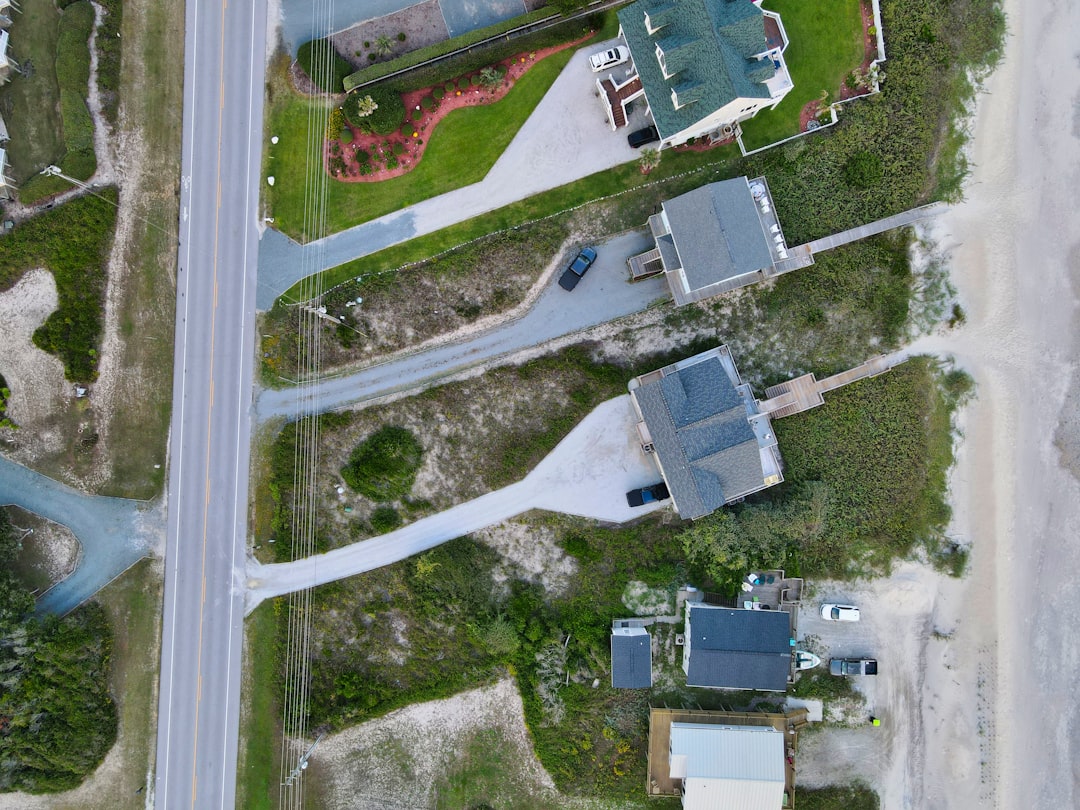
A sound-side cottage in Atlantic Beach can sit within a few hundred feet of tidal water—Bogue Sound, in this case—which means anything that escapes a malfunctioning septic system has a short path to a shellfish lease, a swimming area, or a neighbor’s dock. That physical reality is what makes EPA guidance on how conventional septic systems work directly relevant to any buyer, owner, or property manager dealing with one of these older cottages.
The EPA’s published explainer on how septic systems work gives a clear mechanical picture. We’ll apply that picture specifically to the sound-side Atlantic Beach context, then walk through what it means for routine maintenance and due diligence.
How the System Actually Works — and Where the Risk Sits
According to EPA’s overview, a typical conventional septic system has two main components: a buried, watertight tank (usually concrete, fiberglass, or polyethylene) and a drainfield, sometimes called a soil absorption field or leach field. All household wastewater runs into the tank, where solids settle to the bottom as sludge and grease floats to the top as scum. A T-shaped outlet keeps that sludge and scum inside the tank while liquid effluent drains out into the drainfield—a shallow excavation in unsaturated soil where the wastewater filters slowly downward, with the soil removing coliform bacteria, viruses, and nutrients before the water reaches groundwater.
Two failure points matter most for a sound-side property.
Tank overload or neglect. If solids accumulate beyond the tank’s functional capacity—which happens when the tank isn’t pumped on a regular schedule—sludge can migrate into the drainfield lines. Once those perforated pipes clog, the drainfield loses its ability to disperse effluent. EPA’s description is direct: a drainfield overloaded with too much liquid can flood, causing sewage to reach the ground surface or back up into the house.
Drainfield saturation. The EPA states that the drainfield relies on unsaturated soil to function — wastewater is supposed to percolate downward through that unsaturated ground. Atlantic Beach lots near the sound can experience conditions that challenge that requirement. Whether a specific lot’s soil conditions are adequate for the system’s rated load is a site-specific question; confirm it with Carteret County Environmental Health, which maintains the permit records for each parcel. On a small sound-front lot, any failure of that percolation process has less physical distance to work with before effluent reaches the water.
What “Alternative Systems” Can Mean for Older Atlantic Beach Lots
The EPA’s page also describes alternative systems—those using pumps, sand filters, constructed wetlands, peat, or other media to treat effluent before soil discharge, and in some cases designed to evaporate or disinfect wastewater before any discharge occurs. These are relevant to Atlantic Beach because some smaller, older cottage lots may not have enough area or soil depth to support a conventional drainfield that meets current standards.
If you’re buying a cottage near the sound and the listing mentions a “low-pressure pipe system,” a “sand filter,” or a “pump-assisted” setup, you’re looking at one of these alternative configurations. They have their own maintenance requirements—pumps can fail, sand media can clog, alarm floats need periodic testing—that differ from conventional system upkeep.
Confirm the specific system type and its current permitted status with Carteret County Environmental Health before you close. The permit on file will show the system’s approved design load (typically expressed as a bedroom count or daily gallon capacity), which matters if you plan to add bedrooms or convert the property to a higher-occupancy rental.
A Maintenance Checklist Grounded in EPA Guidance
EPA’s “How Septic Systems Work” page establishes the mechanical basis for why each of the following items matters. Based on what the source document describes about tank and drainfield function, here is a working checklist for sound-side Atlantic Beach owners:
- Pump the tank on schedule. The appropriate interval depends on tank size and household use — confirm the current recommended interval with a licensed NC septic contractor and get it in writing. Never assume the previous owner’s schedule was adequate.
- Know your drainfield location and protect it. Don’t park vehicles or trailers over it. Don’t plant deep-rooted shrubs or trees nearby. Don’t install impervious surfaces (pavers, concrete pads) above the field area — any of these can disrupt the soil’s ability to receive and treat effluent.
- Watch what goes into the system. EPA’s description of the scum layer makes clear that oils and grease interfere with the tank’s separation function. Ask a licensed NC contractor which household products are most likely to cause problems in your specific system type, since alternative systems can have different sensitivities than conventional tanks.
- Check for surface saturation after heavy rain. Walk the drainfield area the morning after a significant storm. Wet, spongy ground or any sewage odor in that area is a signal the system is under stress and warrants an immediate service call.
- Locate the access risers and keep them accessible. If your tank still requires excavation to pump, consider asking a licensed installer to add risers to grade — it reduces pump-out costs and makes inspection easier without disrupting the yard each time.
- Confirm the system’s current compliance status. NC’s coastal regulatory environment has evolved. Our guide on understanding coastal commission septic rule changes covers relevant state-level shifts that may affect what’s required of existing systems near the water.
The Sound-Proximity Variable That Changes the Math
A septic failure at a cottage set back from the sound a thousand feet has time and distance working in its favor. A cottage on a narrow lot where the drainfield is close to the shoreline does not. Bogue Sound supports shellfish harvesting and recreational water use — a documented septic failure near the water can trigger regulatory attention and area closures, both of which are matters of public record. Which agency tracks shellfish growing area classifications and closure history for waters adjacent to your property is worth confirming with Carteret County Environmental Health, since they can direct you to the appropriate state contacts.
That information is publicly accessible. Taking the time to check it before you make an offer is more useful than discovering it during a later inspection.
If the property you’re considering is close to the water’s edge, review whether any shoreline work has been done that could affect drainfield drainage patterns — permitted bulkheads and living shoreline structures can change subsurface water movement in ways the original septic design didn’t account for. Our guide on living shorelines on the Crystal Coast: permitting touches on how these structures interact with adjacent property features.
Before You Close, Pull These Specific Records
Generalized due diligence isn’t enough for a sound-side property with a septic system. Here is what to request before or during the inspection period:
- The original septic permit — from Carteret County Environmental Health. Confirms the approved system type, design capacity, and drainfield location on the lot.
- The most recent pump-out receipt — with date and the contractor’s assessment notes. A tank that shows a long gap in service history warrants immediate evaluation by a licensed NC contractor before closing; ask that contractor what interval is appropriate for the system’s size and use pattern.
- Any repair or modification permits — systems can be altered over time; you want to know whether those alterations were permitted and whether they changed the system’s rated capacity.
- The water-quality classification for adjacent waters — ask Carteret County Environmental Health which state agency maintains this record and how to access it directly, rather than relying on the seller’s characterization.
What Carteret County records reveal before you offer covers the broader records landscape, including environmental health permit histories, which are part of the county’s public record system.
Your Next Step
Contact Carteret County Environmental Health directly and ask for the permit history on the specific parcel you’re considering. Give them the address or parcel ID — confirm the exact format the county uses on its GIS portal before you call, since parcel identifier formats vary by county system. Ask whether the system has any open violations or required upgrades on file. That call is the one piece of due diligence most buyers skip and most regret skipping.